Problem
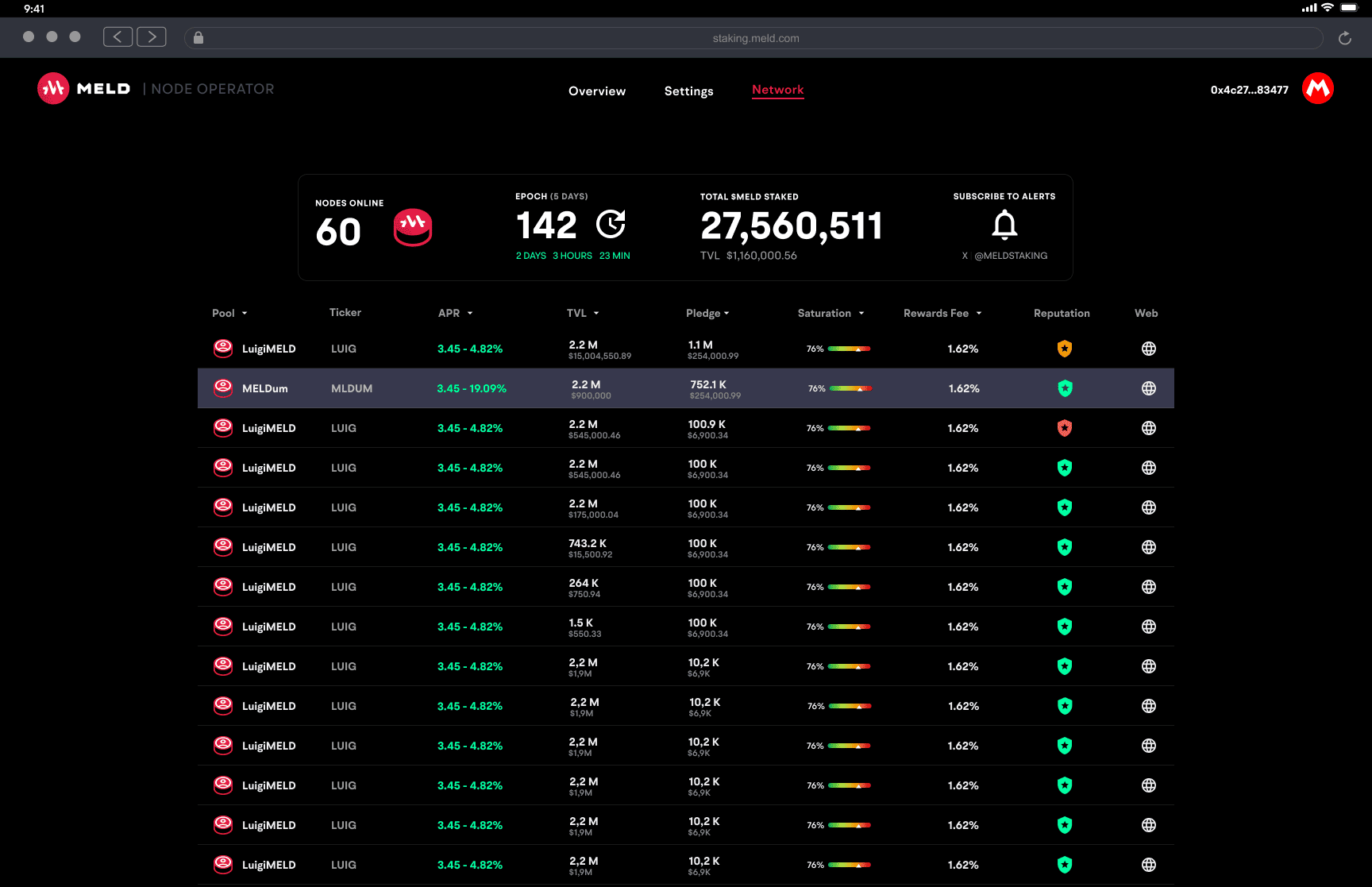
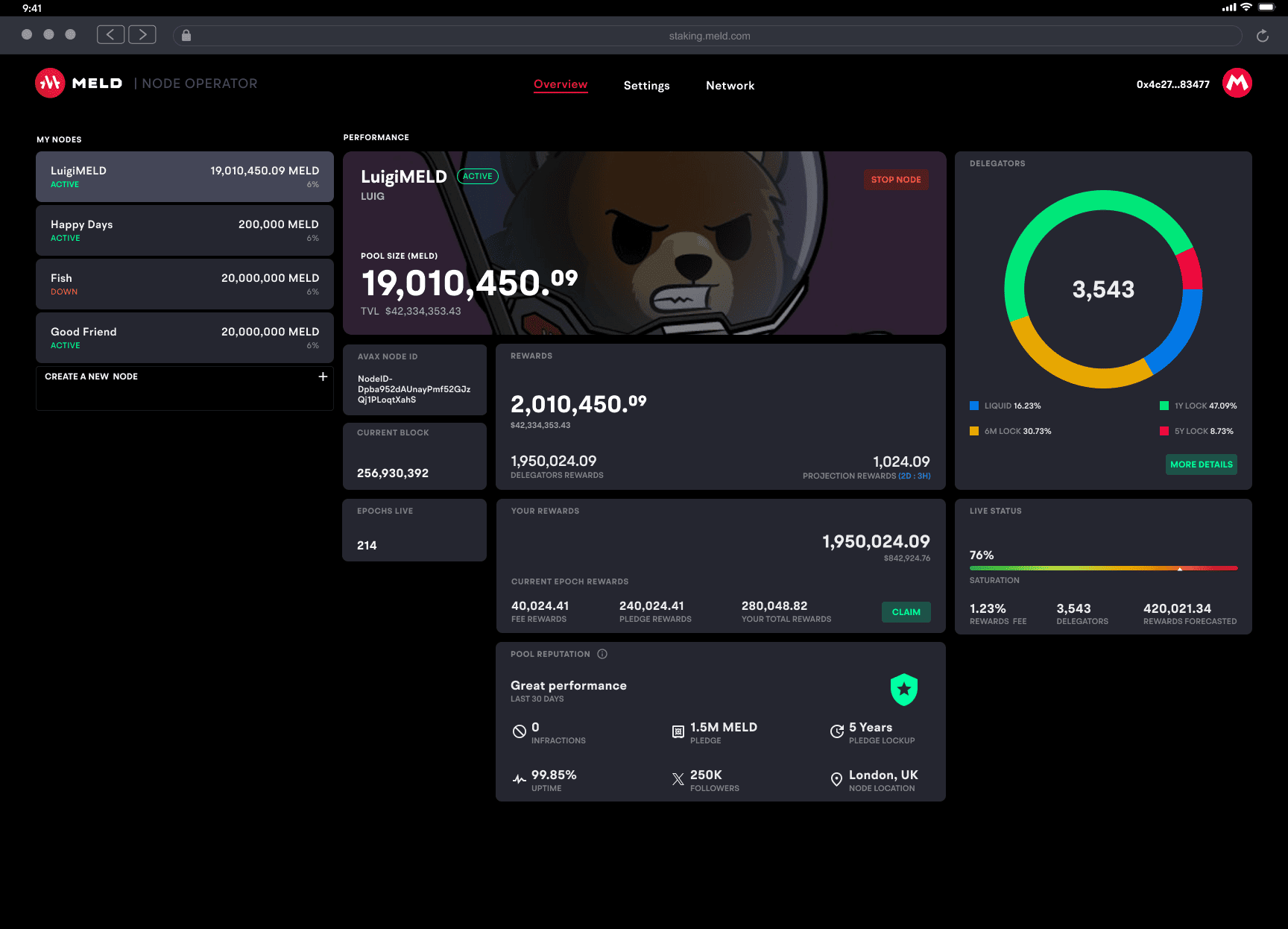
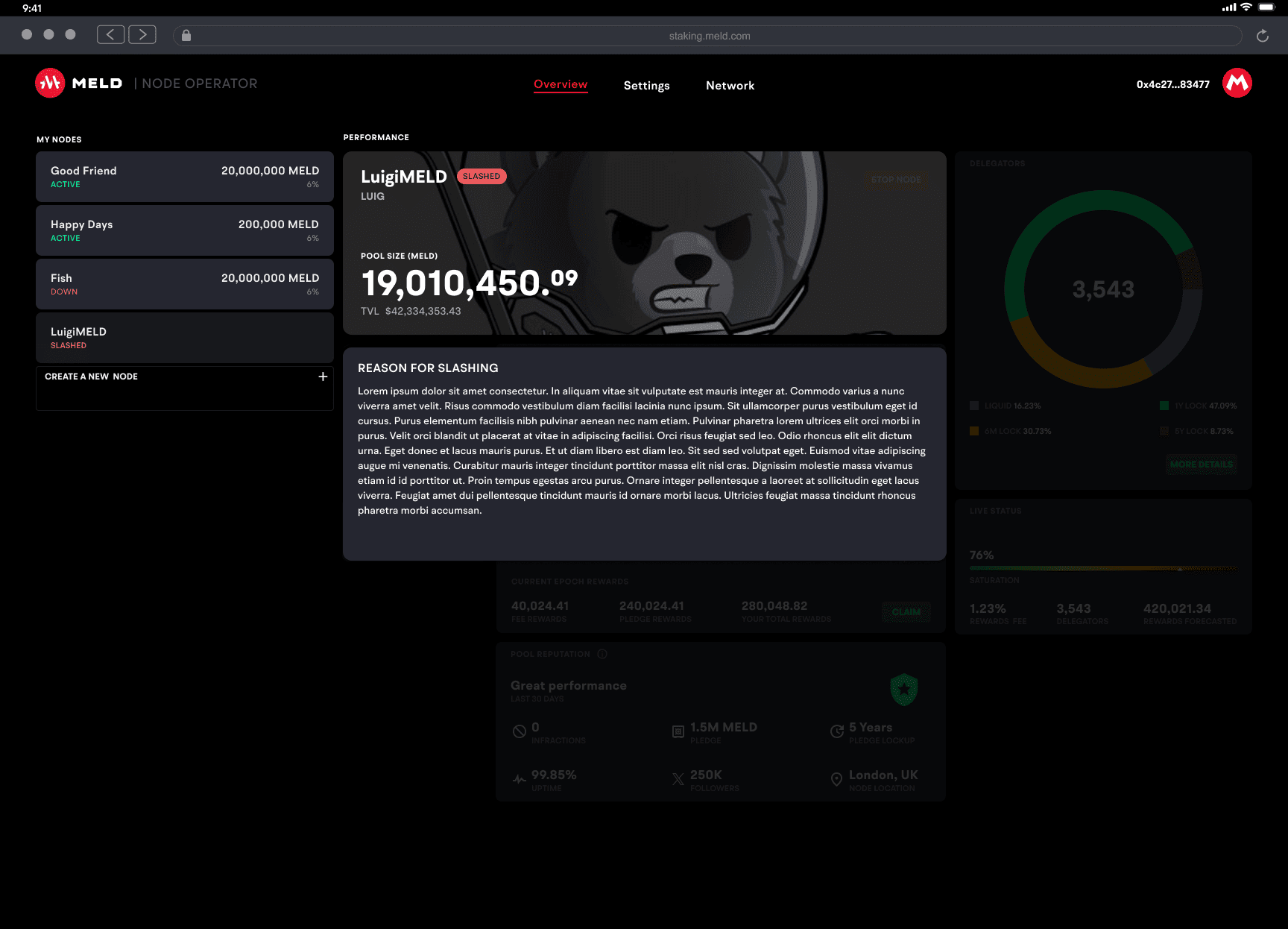
In a staking ecosystem, different user groups rely on the same network data but expect very different experiences. Delegators need to compare pools and decide whom to trust. Node operators need a control center to manage performance, identity and rewards. Governance needs visibility to detect irregular behaviour and act when necessary.
Even though the public layer is what most users see, fragmentation in deeper layers eventually affects trust at the surface. Missing or inconsistent pool imagery can make legitimate pools look suspicious. Poor transparency around governance actions can increase uncertainty.
Desired outcome
The goal was a cohesive platform where all layers work together in a transparent and trustworthy way. Delegators should compare pools with confidence, operators should manage everything in one place, and governance should detect issues early and communicate decisions clearly.
The ecosystem also needed a scalable way to keep pool icons and token visuals consistent as the number of assets grows.
The plan & design
I designed the experience as a multi-layer system: public discovery for delegators, operational tooling for node operators, governance oversight, and a technical layer that keeps visual identities accurate (icons, banners, token assets).
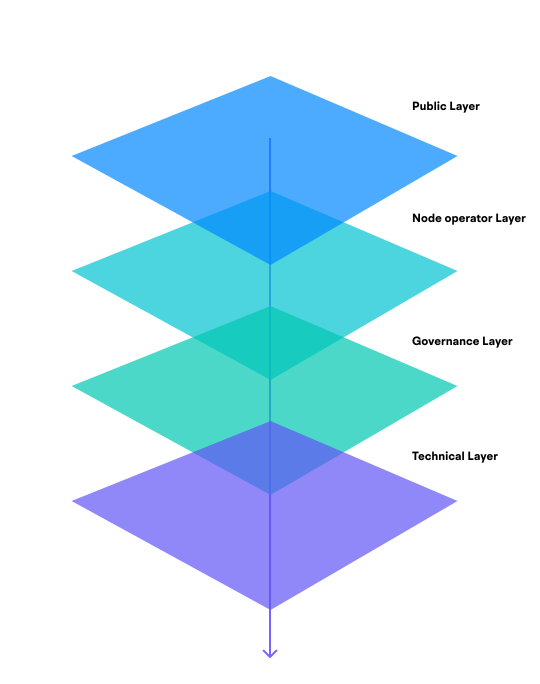
I defined flows and information architecture to connect the layers, ensuring consistent mental models and reducing ambiguity across roles.
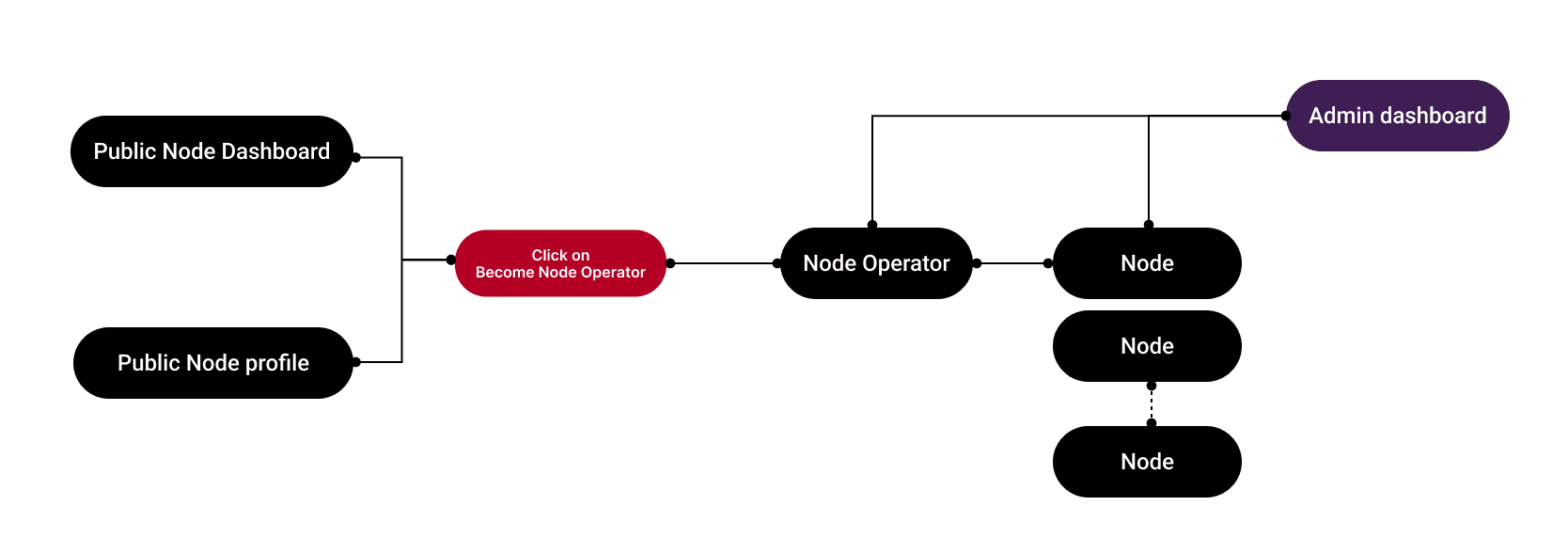
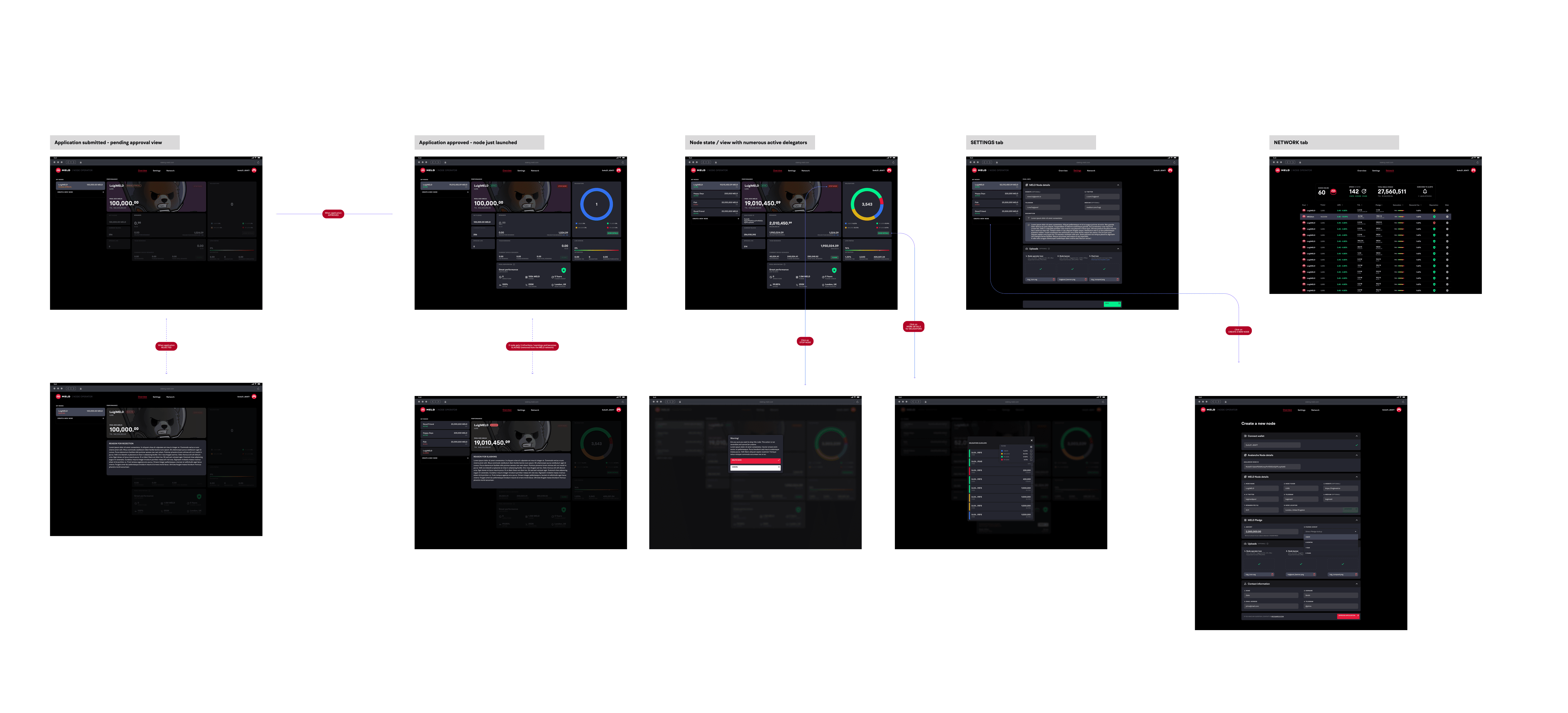
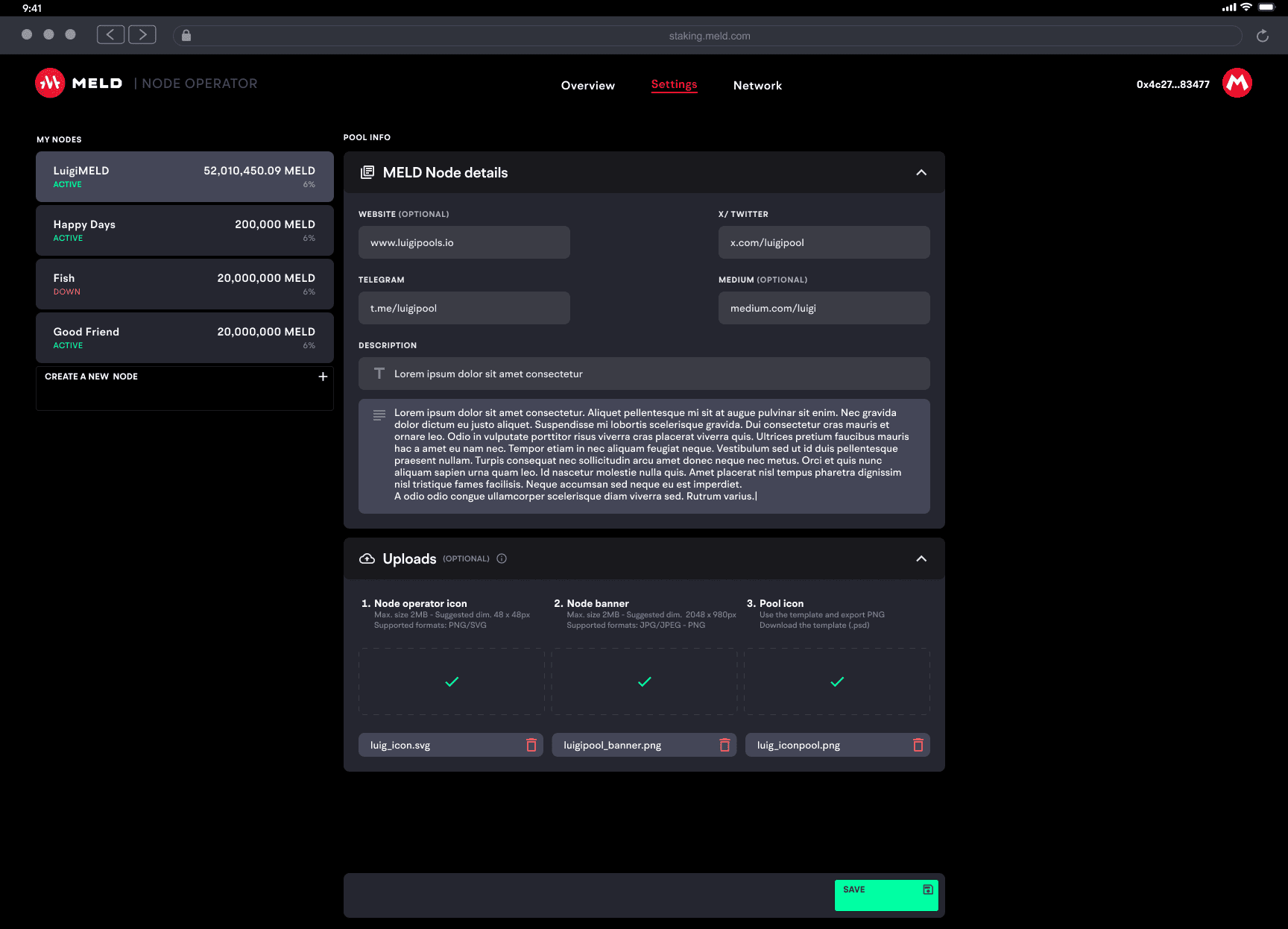
For the technical layer, I designed templates and constraints to prevent missing or misleading imagery and keep the ecosystem consistent at scale.
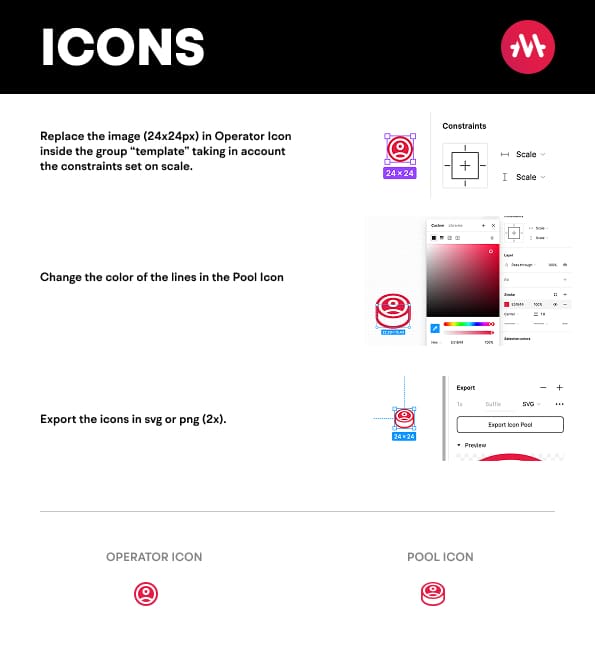

Templates + constraints reduced noise, increased trust, and made visual identity management scalable.
Outcome
The final system improved clarity and trust across the staking experience. Delegators could compare pools with reliable visuals, operators gained a focused control center, and governance improved transparency and early detection of issues.
The technical layer turned an unscalable manual process into a structured pipeline for accurate icons and banners, enabling ecosystem growth without compromising consistency.